


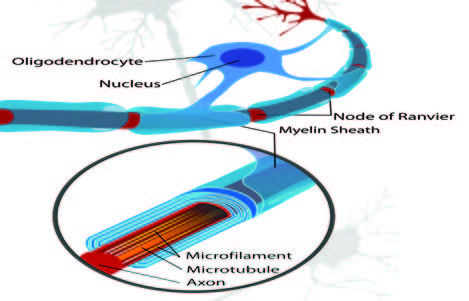
Oligodendrocytes; a cell in the central nervous system responsible for producing myelin.
Photo Source: Wikipedia
In the pursuit of cleanliness and convenience, modern households are often stocked with an array of cleaning agents, pesticides, and personal care products. And, these items promise to make our lives easier. The research suggests that some common household chemicals may pose a threat to brain health. From everyday cleaners to personal care products, the substances found in many homes could be contributing to neurological disorders and cognitive decline. Researchers have provided fresh insight into the dangers somecommon household chemicals pose to brain health. They suggest that chemicals found in a wide range of items, from furniture to hair products, may be linked to neurological conditions. This article explores the alarming findings and potential risks associated with these ubiquitous chemicals.
Over the past few decades, there has been a growing body of evidence linking exposure to certain household chemicals with adverse health effects, including respiratory problems, hormone disruption, cancer. etc. However, the potential impact of these substances on brain health has only recently gained attention from researchers and health professionals.
A group of scientists from the School of Medicine at Case Western Reserve University has offered new perspectives on the potential risks posed by certain everyday household chemicals to brain function. They propose that chemicals present in various household items, ranging from furniture to hair care products, could have associations with neurological disorders such as multiple sclerosis and autism spectrum disorders.
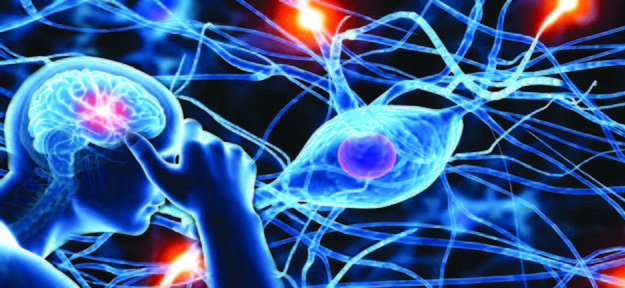
Neurological disorders.
According to the journal Nature Neuroscience, scientists discovered some common home chemicals specifically affect the brain’s oligodendrocytes, a specialized cell type that generates the protective insulation around nerve cells.
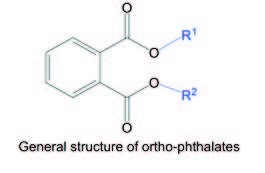
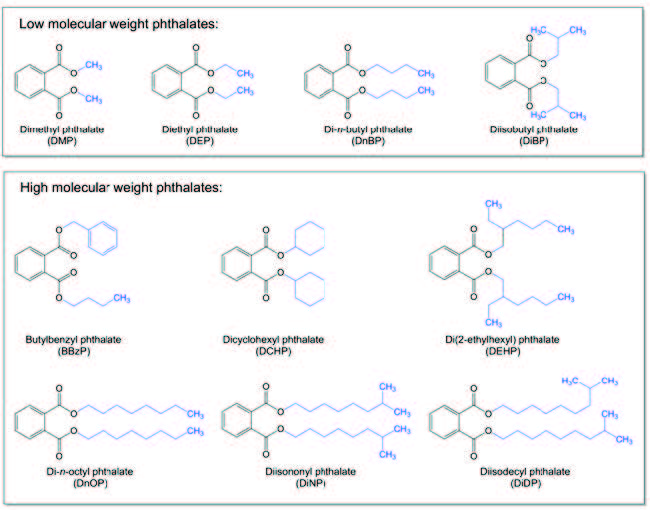
Low and high molecular weight phthalates.
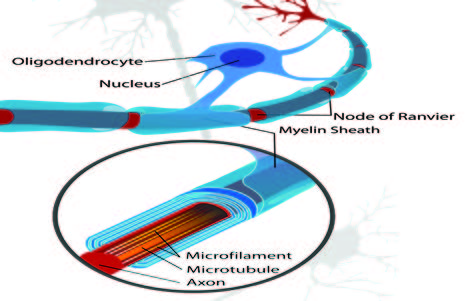
Oligodendrocytes; a cell in the central nervous system responsible for producing myelin.
Photo Source: Wikipedia
Several categories of household chemicals have come under scrutiny for their potential neurotoxic effects. Among them are:
A. Phthalates
These chemical compounds are commonly used as plasticizers in a variety of consumer products, including vinyl flooring, shower curtains, and personal care items such as cosmetics and fragrances. Phthalates have been linked to developmental delays, attention deficit hyperactivity disorder (ADHD), and reduced intelligence quotient (IQ) in children.
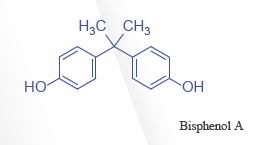
B. Bisphenol A (BPA)
Found in plastic bottles, food packaging, and thermal paper receipts, BPA is known to disrupt hormone function and has been associated with behavioral problems and cognitive deficits in children.
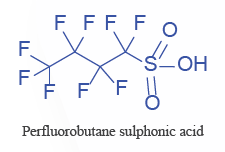
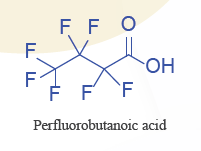
C. Per- and Polyfluoroalkyl Substances (PFAS)
These persistent chemicals are used in non-stick cookware, stain-resistant fabrics, and firefighting foams. Emerging research suggests that PFAS exposure may be linked to neurodevelopmental disorders and impaired cognitive function.
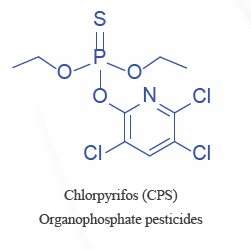
D. Organophosphate Pesticides
These chemicals are widely used in agriculture and household insecticides, and have been implicated in neurodevelopmental disorders, including autism spectrum disorder (ASD), and may contribute to cognitive decline in adults.
The exact mechanisms underlying the neurotoxic effects of household chemicals are complex and multifaceted. Some substances may disrupt normal brain development by interfering with neurotransmitter systems or altering gene expression patterns. Others may induce oxidative stress, inflammation, or mitochondrial dysfunction, leading to neuronal damage and cognitive impairment over time. Additionally, certain chemicals have been shown to cross the blood-brain barrier, allowing direct access to the brain and increasing the risk of neurological harm.
Given the potential risks associated with household chemicals, it is essential for individuals to take proactive steps to minimize exposure and protect brain health. As our understanding of the link between household chemicals and brain health continues to evolve, it is evident that proactive measures are needed to mitigate the potential risks posed by these ubiquitous substances. By raising awareness, advocating for safer alternatives, and adopting precautionary measures, individuals can take meaningful steps to safeguard their own well-being and that of future generations. Additionally, further research is warranted to elucidate the mechanisms of neurotoxicity and inform evidence-based strategies for reducing exposure to harmful chemicals in our homes.
-Aadya Gupta
Ankuram Academy (2023)


